
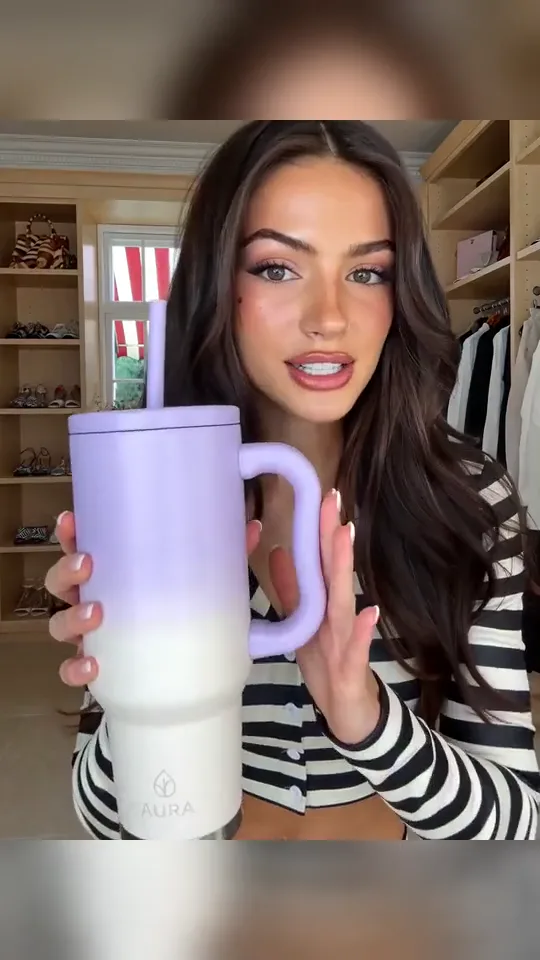
“UGC” is often used as shorthand for a direct, creator-led social format: a person addresses the viewer, demonstrates a product, tells a short story, and lands a clear call to action. When that material is generated or scripted by a brand, it should be presented as creator-style creative—not as organic customer testimony.
Choose a format without inventing a customer
Creator-style does not need to imitate a testimonial. Useful structures include:
- a product walkthrough delivered directly to camera;
- a “three things to know” explanation;
- a problem-and-method demonstration;
- an unboxing-style visual sequence without a false purchase story;
- a founder, presenter, or clearly fictional character delivering approved copy;
- a scripted social hook followed by real product footage.
Name the relationship accurately. If the speaker is generated, fictional, employed by the brand, or performing a script, do not describe them as an independent customer.
Write short spoken beats with visible support
Creator-style delivery works when the spoken line and picture reinforce each other. Write a hook that the following shot can substantiate, then alternate between direct delivery, product detail, demonstration, and on-screen text.
Create a 25-second vertical creator-style product walkthrough using the approved script and supplied product media. The presenter introduces the everyday problem, shows the product close to camera, demonstrates the two approved features, and ends on the exact campaign line. Natural home-office setting, believable phone-camera framing, clear lower-third caption space. Present this as scripted brand creative; do not imply a real customer purchase, result, or endorsement.
Keep claims precise. “Here is how the adjustable shelf works” is observable. “This changed my life” asserts a personal experience. Only use experience claims when they come from a real, authorized source and meet the relevant disclosure requirements.
Direct behavior the viewer can see
Specify whether the speaker looks into the lens, holds the product, points to a feature, changes position, or pauses for an insert. Direct the camera as a plausible device: locked phone, gentle handheld movement, or a deliberate product close-up.
Reserve room for captions and platform controls. Keep important product detail away from cropped edges. If the format mixes generated presenter shots with real product media, match light, camera energy, color, and pacing so the transition feels intentional.
Use script-to-video when exact narration leads the project. Use AI product video when the story needs demonstrations, source material, and multiple visual modes beyond direct delivery.
Run a representation pass before publishing
Ask concrete questions:
- Who or what does the viewer believe the speaker represents?
- Does any line imply a purchase, personal result, expertise, or independent opinion?
- Are product capabilities and demonstrations grounded in approved material?
- Are likeness, voice, footage, music, and brand-asset permissions documented?
- Are advertising, sponsorship, synthetic-media, or category-specific disclosures required?
- Do captions preserve those disclosures in every format?
Also review generated frames for unintended logos, text, changed packaging, or product distortion. A casual visual style does not reduce the need for product accuracy.
Frequently asked questions
Is creator-style AI video real user-generated content?
No. If a brand or system creates the script, speaker, or footage, it is created marketing material in a UGC-style format. It should not be represented as an unsolicited customer's post.
Can I use a real person's face or voice?
Only with appropriate permission and within the agreed use. Do not clone, imitate, or imply endorsement by a person without authorization.
Can the script include a testimonial?
Use genuine, authorized testimonial material only when it is accurate and the presentation meets applicable rules. Do not manufacture personal experience for a generated speaker.
What inputs can support the workflow?
An approved script, product URL, product images, footage, documents, audio, visual references, and brand direction can all provide context. The publishing team remains responsible for claims, rights, and final disclosures.
This page documents Brevity's creator-style production workflow as reviewed on 12 August 2026. “UGC” describes the format only; it should never be presented as real customer testimony without a genuine contributor and disclosure.