
01
Cinematic scene direction
Give movement, environment, and camera language a clear role in the same shot.
Kuaishou · Kling
Shape cinematic text-to-video or image-to-video scenes across three formats, with a broad timing window for premium visual moments.
Create with Kling 3 ProModel showcase
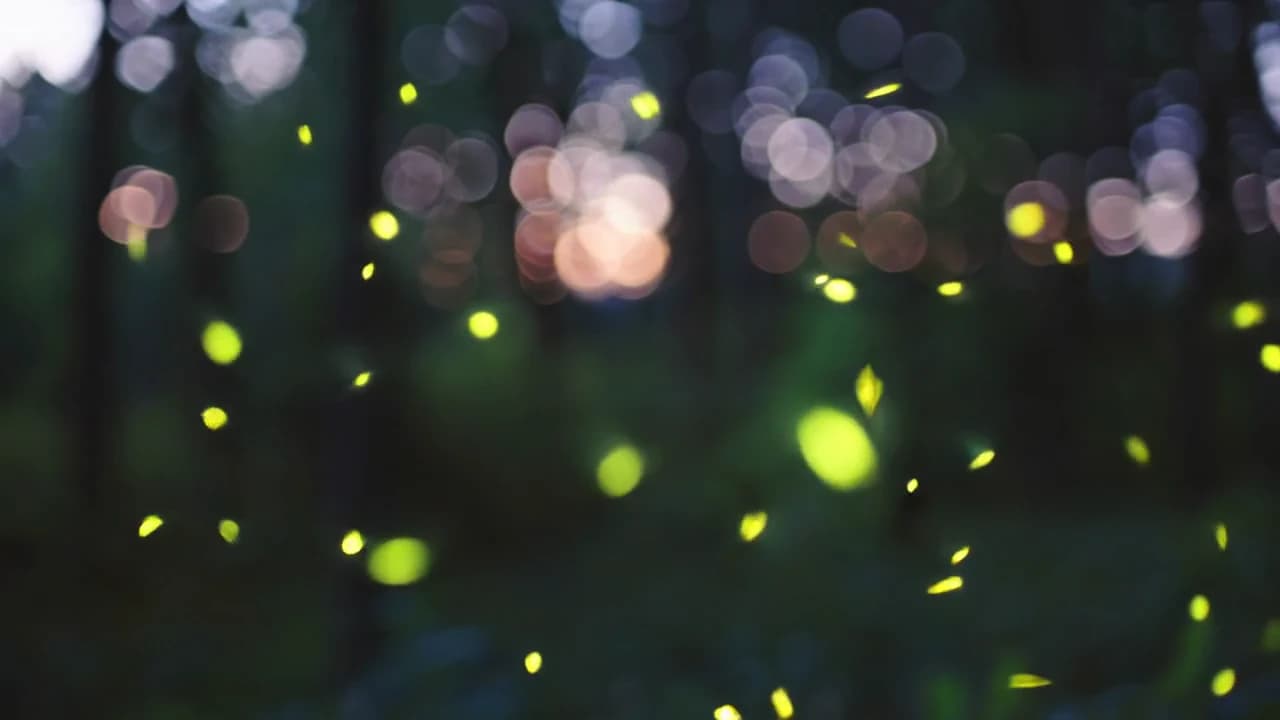
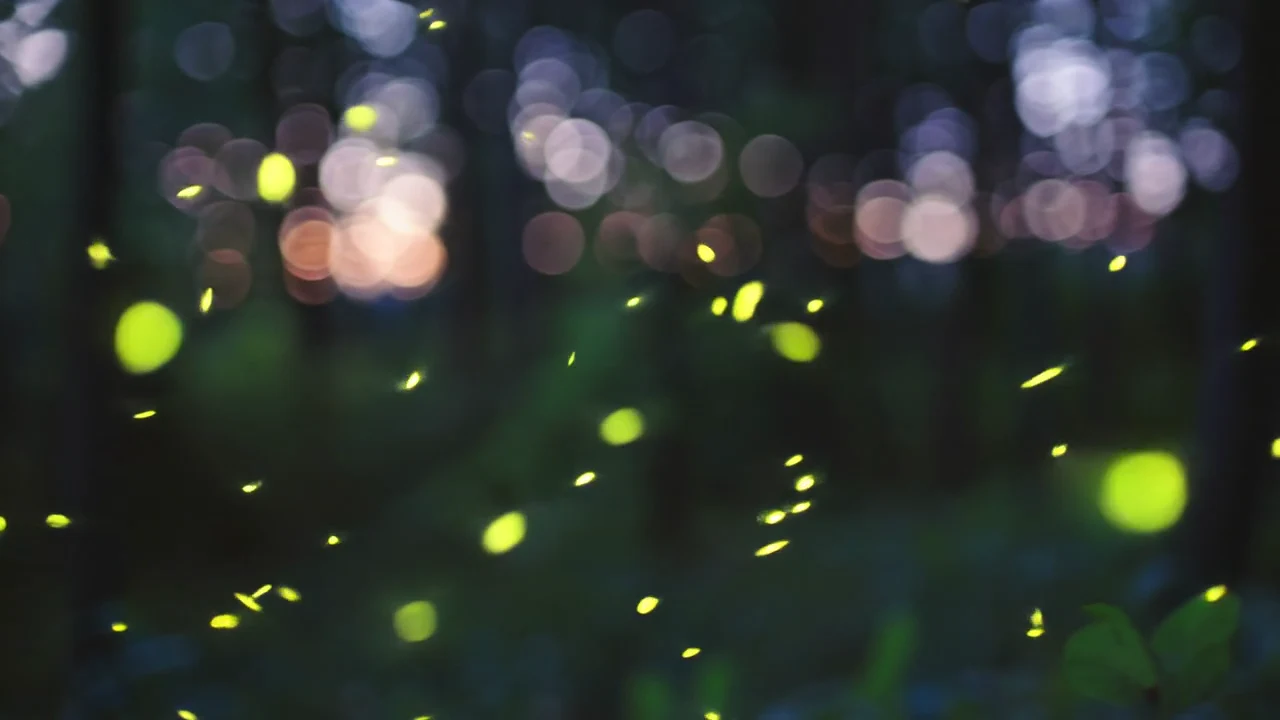
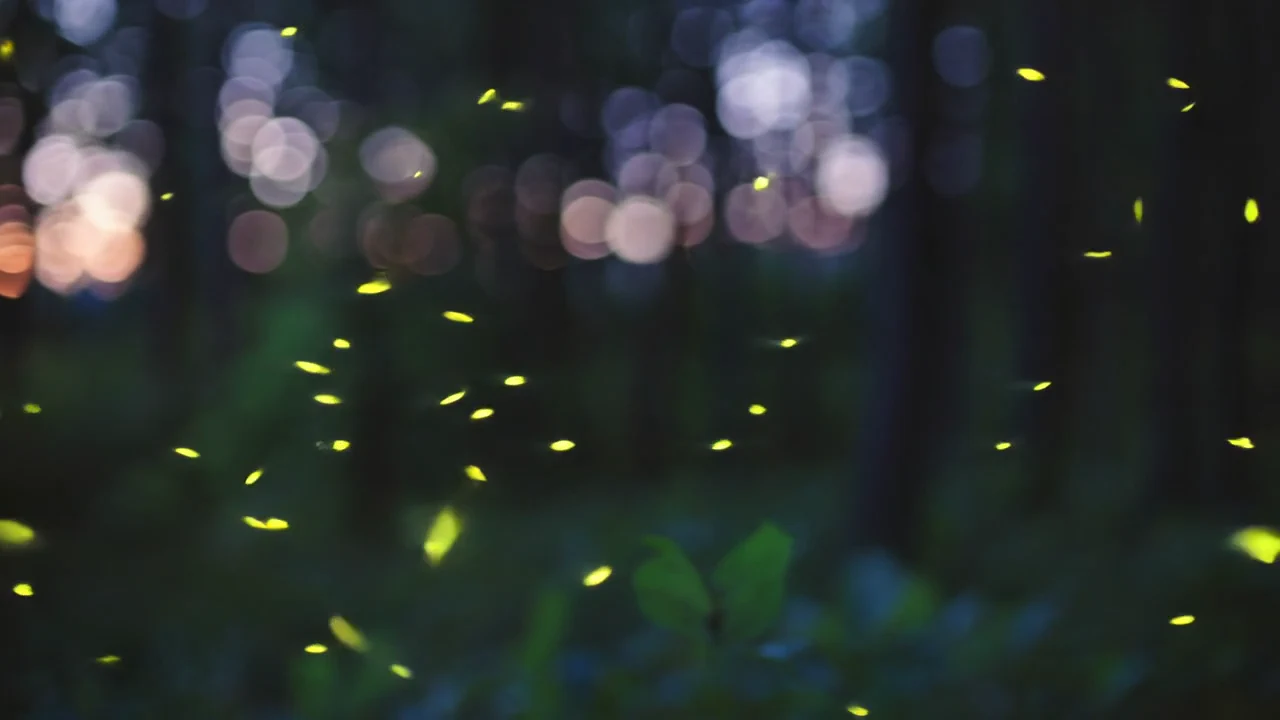
Glowing fireflies drifting through a forest at twilight
A closer look
Selected frames from the Kling 3 Pro showcase reveal the movement, texture, and composition inside one scene.
Key features
Give movement, environment, and camera language a clear role in the same shot.
Choose any whole-second scene length from three through fifteen seconds.
End-frame support can shape transitions and deliberate final compositions.
Keep Kling selected while adapting a scene for three common canvases.
How to use Kling 3 Pro
Name the subject, action, setting, camera move, and light in one compact direction.
Set text or image input, the output ratio, and a target length for the finished video.
Continue with your choices attached, then confirm the complete edit before spending credits.
Direction notes
Describe camera movement separately from subject movement.
Use image input when the opening architecture, product, or character must be exact.
Give atmospheric effects a direction instead of listing them as decoration.
FAQs
Ready when you are
Prepare the direction here, then keep control of the brief, media, cost, and final generation inside the Studio.
Create with Kling 3 Pro